Resilient fuels and flexibility: Energy crises call for a response that puts more European ethanol in petrol
In a time of geopolitical and economic uncertainty, EU leaders are starting to see the wisdom of replacing foreign oil with homegrown renewable biofuels
BRUSSELS, 23 September 2026 – French President Emmanuel Macron’s new call for the EU to bring down fuel costs and boost domestic fuel production by giving more flexibility to biofuels is yet another welcome signal that EU leaders see the need for a homegrown response to the global energy crisis.
The European Commission confirmed it is considering Macron’s suggestions and will convene Member State officials to discuss amending EU fuel regulations.
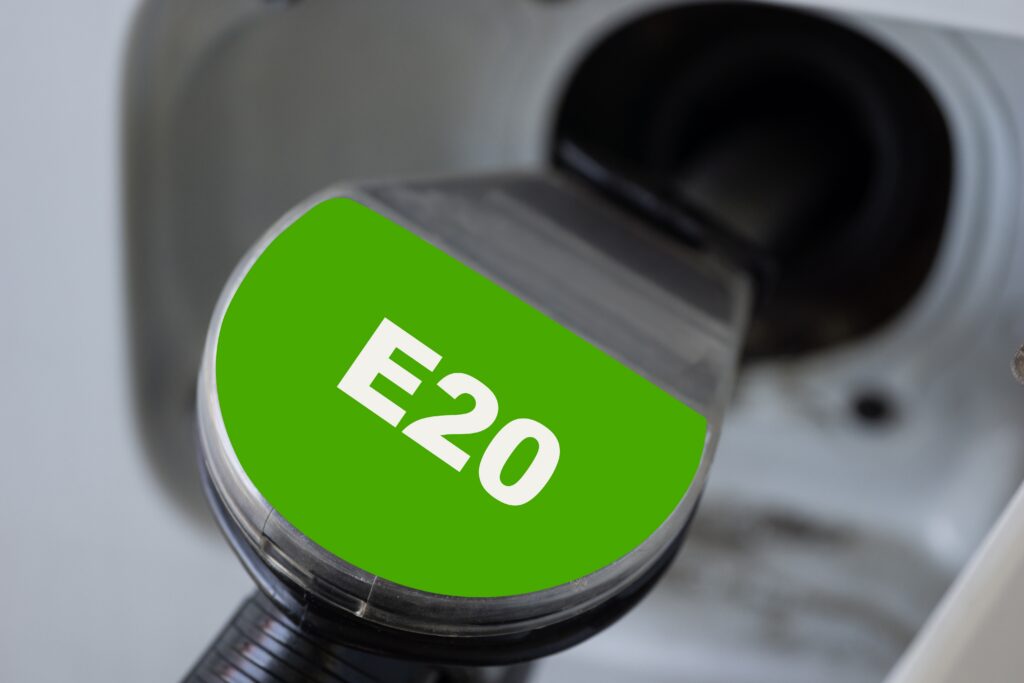
Earlier this year, Commission President Ursula von der Leyen committed to exploring the idea of changing the EU Fuel Quality Directive to allow higher ethanol blends in petrol, including E20 – recognising that they could play a significant role in decarbonising road transport. Climate Commissioner Wopke Hoekstra this week confirmed in response to a Parliamentary question that the Commission is following through on this commitment.
E10 petrol, containing up to 10% renewable ethanol, is already sold in most EU countries. E85, with up to 85% renewable ethanol, is a huge success in France, where motorists with flex-fuel vehicles or cars equipped with a simple conversion box can benefit from lower prices at the pump and boost production of domestic renewable fuel made from crops grown by European farmers. At €0.89/L, E85 currently costs about 60% less per litre than conventional petrol in France.
A recent European public opinion survey found that EU citizens overwhelmingly want flexibility in the energy transition – and see domestically produced renewable energy as a win-win for Europe. According to recent EU data, over 80% of the ethanol in EU transport fuels is of European origin despite a significant increase in imports over recent years.
“Replacing foreign fossil oil with domestic renewable ethanol is a no-regret solution to today’s energy crisis,” said Laurent Donceel, Secretary General of ePURE, the European renewable ethanol association. “If EU leaders truly want to help citizens cope with rising energy costs, they will find solutions here at home: sustainably produced renewable fuel that works in today’s cars and infrastructure, delivers immediate greenhouse-gas reduction, and reduces Europe’s dependence on foreign oil and price volatility.”